
Restrictions imposed by online marketplaces like Amazon, Etsy, and eBay
Welcome to the second installment of our series on e commerce restrictions. In this article, we continue our exploration of the various challenges that sellers encounter in the ecommerce landscape, focusing specifically on marketplaces-specific product limitations. Previous article the Platform specific product restriction or products you can’t sell online on different platforms you can read here.
Dive into the huge world of online markets like Amazon, Etsy, and eBay. As a seller on one of these platforms, you can take advantage of their large customer bases and well-established systems. Marketplaces make it easy to add products, take payments, and ship them, which speeds up the selling process. Use the built-in SEO, advertising, and customer service tools to reach more people and make more sales.
But keep in mind that platforms may have strict rules and fees that make it hard to control and show off your business. Marketplaces are the entrance to a large and diverse group of online shoppers. They are great for buyers who want quick entry to the market and more exposure.
Products you can’t sell online on Amazon
I carefully read the Amazon category, product and listening restriction and can say next. Simply put, Amazon wants its consumers to feel secure when they purchase. As a result, every goods sold on Amazon must abide by both the law and Amazon’s policies.
This implies you can’t sell something that is unlawful, dangerous, or requires a prescription. If you’re an Amazon seller, be sure to read their policies before selling a goods. The examples they provide are just guidelines, and it is critical to understand the rules that apply to your items.
Amazon will take action if you sell anything that violates the rules or the law. This might include halting sales, destroying merchandise, or even getting into legal difficulties. Amazon is always trying to make its marketplace secure, and they want you to report anything that violates their policies.

I can say more that Amazon’s attitude on prohibited items and categories is nuanced. As a result, it’s all too simple to inadvertently offer an item that isn’t legal to sell. The first step is to differentiate between restricted items and restricted categories.
When it comes to selling and offering items on Amazon, the words “restricted product” and “restricted category” mean different things:
On Amazon, a “restricted product” is an item that sellers cannot sell due to laws, safety concerns, or company policy. This requires sellers to fulfill additional rules, paperwork, or approvals before they can sell the product.
Limited goods encompass products that have age restrictions, require a prescription, or are deemed dangerous. Alcohol and tobacco are also examples of products that people under a certain age can’t buy. To sell these items, buyers must follow certain rules, provide the appropriate paperwork, and follow Amazon’s policies.
On the other hand, a restricted category is a group of similar goods that all have the same limits. Amazon might make it hard to sell in these areas because of rules, possible risks, or the need for specialized knowledge.

Sellers often need to meet certain standards or provide additional information to be allowed to sell in these areas. Restricted groups can include a wide range of goods, such as certain kinds of technology, health and personal care items, and more.
In essence, the difference is in how far the limit goes. A restricted product is a single item that is limited in certain ways, while a restricted category is a group of goods that are limited in different ways for different reasons. To make sure they follow Amazon’s rules and policies, buyers on Amazon need to know about both restricted goods and restricted areas.
Everything seems clear here, but I wouldn’t jump for joy just yet. The more we learn about the policy of restrictions, the easier it will be to write a book about it. First, it’s important to know what kind of products has limitation on Amazon:
- Alcohol
- Animals & Animal-Related Products
- Art – Fine Art
- Art – Home Decor
- Automotive and Powersports
- Composite Wood Products
- Cosmetics and Skin and hair care
- CPAP Cleaning and Disinfecting Devices
- Currency, Coins, Cash Equivalents, and Gift Cards
- Dietary supplements
- Drugs and drug paraphernalia
- Electronics
- Explosives, weapons, and related items
- Export Controls
- Food & Beverage
- Gambling & Lottery
- Hazardous and prohibited items
- Human Parts & Burial Artifacts
- Jewelry & Precious Gems
- Laser products
- Lighting
- Lock Picking & Theft Devices
- Medical devices and accessories
- Offensive and Controversial Materials
- Other restricted products
- Pest control products and pesticides
- Plant and Seed Products
- Postage meters and stamps
- Recalled products
- Recycling electronics
- Refrigerants: Ozone-Depleting Substances and Substitutes
- Strike anywhere matches
- Surveillance Equipment
- Tobacco & Tobacco-Related Products
- Warranties, Service Plans, Contracts, and Guarantees
- Upholstered Furniture, Bedding, & Other Quilted Products
- Federal Emissions – Products requiring EPA Certificate of Conformity
- Children’s footwear
- Children’s apparel
- Automotive tires, wheels, and rims
It’s strange to see electronic devices, clothes for kids or home decor in a list of restricted products. This does not mean that these products are completely prohibited. Especially since I received my new electrical gadget from Amazon just yesterday. This means that in certain situations and cases, they may be prohibited or restricted.

Let’s try to figure out what it means. I want to let you know right away that I won’t be able to cover all of the points on this list. If I do, this post will turn into a boring book, which was not what I wanted when I started writing it. To get a feel for what it really looks like, however, we may examine some common substances like alcohol and cigarettes.
Examples of Listings That Are Allowed
- Only approved sellers can sell wine.
- Accessories and items related to alcohol, such as corkscrews, decanters, and cases
- Memorabilia and collectibles about booze that do not contain alcohol
- Distillation kits are used to make oil, water, and other non-alcoholic drinks and goods.
- 0% ABV drinks don’t have any alcohol in them.
Lists of things that are not allowed
- Alcoholic drinks (except from wine sellers who have been pre-approved).
- Alcohol distillation kits that talk about making beer, wine, or spirits are available.
- Liquor permits
- Any product that is sold to people over the age of 21. Any product that contains raw alcohol.
Examples of Listings That Are Allowed:
- Some things tied to tobacco that don’t have cigarette or smokeless tobacco names or logos, like:
- Places to put ashes
- Cutter for cigars
- Hookahs made of cigarette paper
- Humidors
- A lighters
- Pipes for smoking
- Things to collect that don’t have tobacco
- Some items that can be bought over-the-counter to help people stop smoking, like nicotine gum and patches, are allowed.
Lists of things that are not allowed:
- Tobacco or anything that has tobacco in it, like:
- Sharp ends
- Tobacco products
- A cigar
- Tobacco dipping
- Nicogel (Nicotine)
- Smokeless tobacco, including tobacco that dissolves in water
- Accessories related to tobacco
- Capsules or beads for flavored cigarettes
- Electronic cigarettes and other similar goods, whether or not they have nicotine:
- Electronic cigarettes
- Vaporizers that don’t use tobacco or nicotine are also known as “vitamin vapes” and “aromatherapy pens.”
- The E-Hookahs
- E-liquid juice, e-cig juice, smoke juice, or other refill solutions like these
- Digital pipes
- Digital cigarettes
- Nicotine nebulizers and items like them
- Accessories for these things, like:
- Both new and used cartridges
- The atomizers
- Power packs
- The Clearomizers
- Juice for smoking or other refill drinks
- Inhalers or nose drops with nicotine
- Products to help people stop smoking that haven’t been allowed for sale in the US, like Tabex
- Items that don’t contain smoke, such as:
- Products from Arriva
- Chew
- Having a smoke
- Dip
- Tobacco that dissolves
- Snuff Snus Wad Products, like hats, t-shirts, and lighters, that have names or brands of cigarettes or smokeless tobacco.
- Equipment for drugs
You do realize, however, that there are many complexities within each category of restricted items. It’s not always obvious what Amazon will allow or prohibit. Items in the home improvement, cosmetics, and dietary supplement categories are surprisingly heavily controlled on Amazon.
During the process of your product research, it will be useful to keep track of the items that may and cannot be sold on Amazon. You may avoid the hassle and inconvenience of having to reactivate your Seller account and restore your listings.
Prohibited and restricted items on Etsy
Etsy has said that this is not a controlled marketplace. But they don’t let you sell certain things on Etsy for a number of reasons. Some things pose legal risks to their community, while others go against their ethical standards, hurt their members, or just don’t fit with Etsy’s style.

Quora has a ton of discussions concerning suspended Etsy accounts, and searching “etsy suspended my account” on Google returned over 5,660,000 results. What makes Etsy decide to do this?
Etsy has a policy of “zero tolerance” for items that aren’t allowed, especially those that promote, support, or celebrate hate, violence, or are illegal. According to their Terms of Use, if a seller is found to be breaking this rule, their account could be suspended or closed right away.
This condition is included in their Terms of Use. You are consenting to this policy and Etsy’s Terms of Service by creating an Etsy store. Etsy may deactivate your content to some or all purchasers, suspend or terminate your account (and any accounts Etsy thinks is associated with your account), and your access to the Services if it has reasonable grounds to believe you, your content, or your use of the Services violate our Terms.
Except in cases where you have persistently broken their Terms or where doing so would violate applicable law or regulation, Etsy will provide you with advance notice before taking any action to remove your content or cancel your account.
On Etsy, the following kinds of goods are restricted or prohibited:
- Alcohol, cigarettes, drugs, drug paraphernalia, medical drugs and devices, and things that say they are for medical use are all banned.
- Animal products and Human remains
- Things to Avoid: Dangerous materials, items that have been recalled, and weapons
- Items that promote, support, or glorify hate are called “hate items.”
- Items that are illegal, items that encourage illegal activity, and items that are heavily regulated
- Things that are regulated internationally
- Nakedness and Adult Content
- Items that promote, support, or glorify violence are called “violent items.”

Similar to Amazon’s structure, Etsy has both hard and soft guidelines. Of course, there aren’t a ton of these restrictions, but you should still read and familiarize yourself with them.
Let’s examine the following positions as an example to get a rough concept of how it works. Ok, here let’s take the Animal products and Human remains (oh, Human remains phrase stunned me as well).
Etsy has a lot of rules about and bans on certain animal items because they could hurt live, pet, or protected animals. Examples of animal products that cannot be sold on Etsy include the following:
- Live creature
- Items made with any vulnerable or endangered animal species. These are defined as species of animals classified in Appendix I of the Convention on International Trade in Endangered Species of Wild Fauna and Flora (CITES) or vulnerable or endangered under the US Endangered Species Act
- Objects created with feline or canine parts or pelts as specified by US federal law
- Ivory or animal bones from species that produce it, such as wooly mammoth ivory, fossilized ivory, elk ivory, and tusks
- Items made from human remains or products from the human body, except for teeth, fingernails, and hair.
Here are some acceptable examples:
- Antlers and bones from non-ivory animals (mostly jewelry and accessories)
- Leather Items (bags, belts and so on)
- Materials that use animal hair (woolen yarn and everything made from it)
- Human teeth or hair (like miniature human hair-filled bottle)
And of course additional little notes for users. All Etsy users are expected to abide with the laws in their localities. Before you start selling you need to learn more about the rules and regulations surrounding the import and export of endangered animals, check out the Convention on International Trade in Endangered Animals (CITES). The Migratory Bird Treaty Act is a legal document that should be reviewed if your business deals with feathers.
Each of the positions I described above has clarified restrictions and a list of exceptions. Because you never know how Etsy may interpret your goods, it is recommended reviewing the rules of sale in depth, even if you believe your product does not come under any of the items on this list.
This is always the best strategy, but it may not work either. After I knew the company’s rules inside and out, I went to see what users had to say and write about their experiences with Etsy. So, here are the most usual ways to get kicked off Etsy:
- brand or copyright violation. Etsy gives sellers several warnings, but many of them ignore them and keep selling these things.
- selling mass-produced things again as if they were homemade or vintage. Handmade on Etsy means that it was made by your hands or ideas. If Etsy isn’t sure, they’ll ask the seller to send pictures of the build in progress with materials, tools, etc. Partners in a production must be known and accepted.
- bad service to customers. Too many customers have started cases because the item wasn’t as described, it took too long to ship, it never arrived, and the seller didn’t talk to the buyer or Etsy. Abusive behavior toward Etsy employees, buyers, or other sellers is not allowed.
- not paying the bill you owe Etsy. But once you pay, your shop will be back up and running.
- being “linked” to a seller who isn’t allowed. Etsy can’t tell who in the family is using the account, so all shops linked to that seller are also closed. It’s not enough to use the same IP address once or twice. Shops don’t get shut down for using strange public wifi in the mall or hotel rooms.
- items that celebrate hate, crime, guns, drugs, pornography, body parts, and some animal goods are sold over and over again.
- items that make “healing claims” You can’t say that your cream, herbs, or gemstones will heal someone who is sick or hurt.
- making metaphysical claims. Like: buying XYZ will help you win money and meet your love.
- using multiple shops, phrase stuffing, etc. to try to trick Etsy’s search engine. Using Etsy’s internal message system to contact other users without their permission and send them spam.
- copyright charges that are annoying against competitors. DMCA (Digital Millennium Copyright Act) is a legal document that can be used to prosecute people for making false claims.
- a shilling. Trying to get stars and reviews by making fake sales to friends and family. Many sellers do this to get a bad review off the first page of their shop.
- avoid paying fees. You can’t send sales away from Etsy to another website through your Etsy shop. You can’t change an existing product description into something completely different to escape the 20 cent fee.
When you sign up with Etsy, you agree to their Terms of Service, which give Etsy the power to shut a store at their discretion without providing a particular reason. This is largely intended to protect the platform’s legal integrity.

Because Etsy’s economic model thrives when its sellers succeed, they are usually hesitant to shut down businesses. They often give warnings to sellers, providing them the chance to correct any problems with their items, shop, or conduct. However, some merchants ignore these warnings, leaving Etsy with little choice except to prohibit them. Etsy even allows banned users to appeal in circumstances that are not linked to trademark or copyright violation.
Some sellers feel that if their business closes, they can quickly open a new one by using a different email address or maybe an IP proxy. This assumption, however, might result in a huge surprise. Etsy now uses “managed payments” through Adyen, which are more strict than both eBay and Amazon. They amass vast amounts of identification data, including technical, governmental, and financial information. They also examine related social media accounts and use artificial intelligence to uncover unusual trends in your online footprint. When a store makes its first sale, a manual evaluation is begun.
Even if you try to use someone else’s identity, reestablishing a presence on Etsy after being banned is quite difficult. In such circumstances, the individual whose identity you use must record your income on their tax filings as well. You would also be prohibited from selling the same things.
In essence, Etsy has developed strict procedures to guarantee the platform’s integrity and discourage banned merchants from rejoining, making it a difficult undertaking to open a new store under false pretenses.
Limitation on eBay
Well, I finally went to eBay, and I have had a personal unpleasant experience with this platform. But we’ll get to it later. First, determine what is going on in this marketplace and what restrictions eBay puts on things for sale.

eBay has approximately 4,340,000 results in Google for search “ebay suspended my account” and these results are little bit less than Etsy but still are huge. Users confess on Reddit that such things are very common, and not only that, many users didn’t even have time to sell or buy anything. Some users just have registered, but have yet to actually list any goods for sale and they’ve already permanently suspended it.
This is precisely what happened to me; I adore vintage, thus I purchase a lot and sell a little since I can’t fit anything in my closet. That is why I opened an eBay account to purchase and sell items. I was surprised when I got the email below after presenting just one item from my private collection.

I attempted to get in touch with eBay’s customer service, but all I got was a bunch of canned responses. These kinds of stories are all over the Internet, and people don’t know what they did wrong. And they don’t understand how they put the eBay community at risk.
Now, let’s try to figure out why the ban happened and if it could have been avoided. The first and most important thing we need to know is why eBay has shut down accounts. The main reasons are next:
- Payments currently outstanding.
- Orders were shipped late.
- A lot of mistakes in transactions.
- Not taking care of buyer issues.
- Changing the metrics.
- List things that are not allowed.
- Putting the unacceptable content in your listings.
I think everything is clear with the most points but what is the list of prohibited and restricted items.
eBay started out with a broken laser pointer, but over the years, the rules for what are “approved items” have had to get tighter. The things on this list are things you should never sell on eBay for different reasons.
Some items are flat-out banned by eBay, while others are hard to ship and handle or just don’t sell well on eBay.
When you’re putting stuff up for sale on eBay, here are some important things to keep in mind:
Policies: The rules are mostly based on the laws of your country and state. Sometimes, eBay also considers what our members say and use their judgment, especially when it comes to sensitive or potentially dangerous stuff. For instance, you can check their offensive material policy.
Read Before You List: Make sure to read rules before you list your items. EBay has guidelines and examples that show you what you can and can’t sell on eBay. Remember, our examples don’t cover everything, but they’re a good start.
Selling Internationally: If you’re selling to folks in other countries, check out our rules on international trading and import restrictions. Even if something is okay to sell in your country, it might be against the law somewhere else.
Prohibited and Restricted Items: Some things can be listed on eBay but with certain conditions, and some things can’t be listed at all. For example, in our medicine and healthcare products policy, some items like contact lenses aren’t allowed, but certain medical instruments are okay under certain conditions.
Check Other Rules: Be sure to also go through our rules for listings and our rules about intellectual property. Your item might have additional guidelines that could affect how you list it.
Items you can’t sell on eBay
Ok, let’s start with eBay’s “No-List” Rules – prohibited Items. At eBay, certain items are restricted from being listed on their platform. These rules are in place to ensure a secure and reliable marketplace. Here’s the breakdown:
- Adults Only: eBay does not allow adult content on their platform. It maintains a family-friendly environment.
- Drugs and Drug Paraphernalia: The sale of drugs and related paraphernalia is prohibited on eBay.
- Embargoed Goods and Prohibited Countries: eBay adheres to regulations, refraining from listing goods from restricted locations.
- Firearms, Weapons, and Knives: Safety is a top priority. eBay prohibits the listing of dangerous items.
- Government and Official Items: Official items are not to be listed on eBay. All transactions should go through the proper channels.
- Hazardous Materials: To ensure safety, eBay doesn’t allow listings of harmful or dangerous substances.
- Illegal Activity: eBay is committed to lawfulness, and items related to illegal activities are not allowed.
- Lock-Picking Devices: Lock-picking tools are restricted from eBay. They prioritize security.
- Personal Info and Mailing Lists: eBay respects user privacy and does not permit the sharing of personal information or mailing lists.
- Medicine and Healthcare Products: eBay has established guidelines to ensure the safety and authenticity of healthcare and medical products.
- Offensive Material: To maintain a respectful environment, eBay prohibits offensive content.
- Police-Related Items: eBay leaves law enforcement to professionals and does not allow police-related items.
- Prescription Drugs: The safety of users is paramount. eBay does not permit the sale of prescription medications.
- Prohibited Services: eBay adheres to legal regulations and does not allow questionable services.
- Stolen Property: Honesty and integrity are key principles. eBay does not permit stolen goods.

I would say that everything is like everywhere, we are for everything good and against everything bad. eBay’s list of no-goes is like the bouncer at the coolest party in town, making sure only the trendiest items get in. It’s where the wild and wacky, the questionable and the quizzical are left out in the digital cold.
But fear not, for these rules keep eBay a place of order and reliability. They ensure your eBay experience is a smooth ride through the world of online shopping, minus the bumps, hiccups, and strange surprises.
So, while you can’t sell that inflatable donkey or your grandma’s secret barbecue sauce recipe, you can rest easy knowing eBay’s got your back, making sure everything is spic and span in the eBay aisles!
Restricted items on eBay
Ok, in addition to prohibited goods, there are also goods with certain restrictions that can be sold under certain condition:
- Alcohol: You can sell it, but make sure you follow the law. Only eBay authorized merchants may list wine on the eBay US site (ebay.com). Other alcoholic beverages are not permitted.
- Animals and Wildlife Products: No exotic pets or animal parts, please. eBay cares about animal health and protecting local, dangerous, and endangered species. Because of this, items made from protected or endangered species can’t be sold. Some faux or copied animal goods can be sold on eBay by people who sell wildlife and animal products. However, it is the seller’s responsibility to find out if they need a license, permission, or other paperwork to sell or ship these things.
- Artifacts, Antiques, and Cultural Items: Old stuff is cool, but proves it’s real. You can’t sell things on eBay that you got from government or protected land, historical grave sites, or ships. Looted or stolen goods can’t be sold on eBay. Antiquities listings must include the item’s provenance or ownership history, as well as, if available, a picture or scanned image of an official document containing both the item’s nation of origin and the legal facts of the transaction. Additionally, the item must be authorized for import or export.
- Charity and Fundraising Listings: Good deeds are great, just keep it organized. Charity listings must make use of eBay for Charity. If a seller agrees to the eBay for Charity Seller Terms and Conditions and keeps their account in good standing, they can use eBay for Charity. It is decided that at least 10% of the final sale price will be given to the charity chosen from the Charity Search at the time of offering. Payment can be made in line with the Payment ways policy. The ads aren’t in the Real Estate sections. The things on the list are not prohibited or limited.
- Clothing (Used): Secondhand clothes are fine, just make sure they’re clean. Socks and used underwear are not permitted, even if they are clean. Boxer shorts, panties, briefs, diapers, and athletic supports are a few examples. Bras do not qualify as underwear. Used clothes must be washed correctly and have a label indicating that it has been done so. Language or photographs that fetishize the item, such as personal remarks about the person modeling the item, are not permitted in used clothes listings.
- Cosmetics (Used): Makeup can’t be pre-loved. It is not permitted to list used sponges, applicators, or cosmetics. This includes items like moisturizers for the skin, sunscreens, nail polish, lipstick, eye and face cosmetics, shampoos, permanent waves, hair colors, toothpaste, and deodorants. Used makeup brushes may be sold, but they must first be meticulously cleaned. Cosmetics, colognes, lotions, and fragrances must be packaged in their original packaging. Regulations from the government must be complied with by homemade cosmetics.
- Counterfeit Currency and Stamps: Real brands and stamps only. Items sold under a brand’s name or with its emblem must be authentic and produced by the brand itself or on its behalf. Products that are counterfeit are forbidden and unlawful on eBay. These things could violate someone’s trademark or copyright.
- Credit Cards: Digital payments are in, but no credit cards for sale. Some types of rare or inactive cards can be listed and sold on eBay. However, live credit, debit, and shop cards are not allowed to protect user information and follow government rules.
- Digitally Delivered Goods. In short, eBay’s rules for electronically shipped items are all about making sure they are safe and real. To list these things, sellers must be accepted by eBay. There are different rules for each type, like software keys and digital copies. For some electronically supplied things, like passes and NFTs, there are exceptions, but they have their own rules, such as limits on price and content. The goal is to create a safe market for digital goods that includes protecting intellectual property and keeping a trustworthy space for buyers to shop.
- Electrical and Electronics Equipment: Keep those gadgets safe. eBay takes the sale of electronics very seriously to protect its users and follow government rules. Some kinds of electronics are not allowed at all on the platform. This includes things like jammers, gadgets for controlling traffic lights, some radio gear, and different kinds of monitoring gear. Also, goods that don’t meet standards for energy economy or that say they will use less electricity aren’t allowed. The policy’s goal is to make sure that eBay buyers follow all laws and treat other people’s rights with care while also following eBay’s rules. If you don’t follow these rules, eBay may take action, such as removing your offering, lowering it in search results, putting limits on it, not letting you pay for it, or even suspending your account.
- Food: No groceries, please. To protect the health and safety of its users, eBay has strict rules about the sale of food items. Some types of mushrooms, ackee fruit or seeds, unpasteurized dairy and fruit/vegetable juice, and food that has gone bad are all illegal foods. Also, food stamps and other forms of government aid that are meant to be used to buy food cannot be sold.
When sellers list allowed food items, they have to follow certain rules, like putting them in the right packaging, keeping them in a safe place, and making sure the expiration dates are clear in the item descriptions. Items that go bad quickly must be sent to the buyer before their expiration date.
Along with other eBay rules, buyers must make sure they follow all laws and protect other people’s rights. eBay can take a number of actions if you don’t follow the rules. These include ending ads, lowering search results, limiting activities, losing fees, taking away buyer or seller rights, and even suspending your account.
- Gift cards. Gift cards are welcome on eBay, but there are a few exceptions. What’s ok:
Gift cards for eBay from trusted sellers. Unique gift cards that can’t be cashed in (just make it clear that they don’t have any money on them).
Players must have legal cards that haven’t ended; if they do, the description must say so.
One person can add gift cards worth up to $500 at a time.
What You Can’t Do:
Gift cards sent electronically from sellers with a lot of risk.
Credit cards with a flat fee, like those from American Express, Discover, Mastercard, or Visa.
A coupon that gives you store credit.
- Selling jewelry on eBay? It’s important to do it right. Here are some key points:
Metals: Make it clear if it’s gold, silver, platinum, or plated.
Gemstones: Be honest about whether a diamond is real, treated, lab-made, or fake.
Making sure jewelry doesn’t come from war zones is an ethical way to source it.
Niihau Shell Jewelry: Follow Hawaiian law and say how many of the shells are real.
Selling Tips: Give clear pictures, exact explanations, and great customer service.
Loose Beads: Put them in the area for loose beads.
- Gaming (Slot/Fruit) Machines: Leave the slots in Vegas. It’s not always safe to sell slot machines on eBay. You can sell them, but you have to follow some rules. First, both the buyer and the seller must be able to legally own the slot machine.
If the slot machine works, it can only be sold in places where it’s allowed. Some tools that don’t work can be mentioned as long as they don’t take money and are hard to fix so they can work again.
Don’t forget that eBay wants everyone to follow the rules. If your slot machine doesn’t follow these rules, your eBay account could be in a bit of a jackpot. You could lose items, have them hidden from search results, or even have your account suspended. Making a list of slot machines? Make sure you hit the jackpot of law!
- Human Parts and Remains: Spooky stuff stays out. It is very clear on eBay that selling body parts of people is not allowed. That means you can’t name any human people, body parts, or things made from them.
Only one small thing isn’t true about this rule. Things like lockets and caps that have real head hair on them are okay. But remember that you should not buy used funeral things like urns.
When you sell things on eBay, keep in mind that the rules are pretty clear when it comes to body parts. In case you do something that isn’t allowed, eBay could delete your account. Keep it clean and respectful!
- Plants and Seeds: Green thumbs are welcome with rules. If the plants and seeds are in the United States, you can generally sell them on eBay. But there are some important cases that you should remember.
Endangered plants are a no-go, and if the items are located outside the U.S., they can’t be listed due to import restrictions.
People who sell other plants or seeds should do some research first. Check out the Plants for Planting Manual from the USDA, the Save Our Citrus website from the USDA, and the Regulated Noxious Weeds Search Document from the National Plant Board. These will help you figure out if something is limited or not allowed.

Read the eBay User Agreement and make sure you follow the rules when you sell plants and seeds on eBay. Thank you. If you don’t, eBay may take action to make sure they’re following the law and their user agreements. For example, they may hide ads, limit buying and selling, or even suspend your account. Green eyes, pay attention!
- Postage Meters. Counterfeit stamps are not permitted on eBay. But don’t worry, as long as you follow the laws, you may continue to sell collectable and replica stamps.
It is not okay to use counterfeit stamps or tools made to make them.
If you want to sell valuable stamps, you need to include a picture of the real thing. Make sure to list any changes or flaws that can’t be seen in the picture.
If you’re listing replica stamps, your title, description, and photos must clearly state or show that the item is a replica.
Forever Stamps are on the approved list but can only be sold by eligible sellers.
Remember to follow the law, care about other people’s rights, and follow the eBay User Agreement at all times. If you don’t, eBay may have to do something, like hide your ads or even close your account. Follow the rules when it comes to stamps!
- Property: Real estate deals have their own space. Listings in the real estate category on eBay are not an offer to sell the property shown. It’s just ads.
- Recalled Items: Safety first, no recalled products.
- Stocks and Other Securities. It can be hard to deal with stocks and other securities, and eBay has rules about them. A lot of the time, you can’t list these money things. There is a small exception, though, for gifts of a single stock and rare stock certificates that meet certain requirements.
Why are these rules in place? This is because eBay has to follow the rules set by the U.S. Securities and Exchange Commission (SEC) when it comes to selling stocks and other commodities.
Here’s what’s going on: On eBay, you can’t sell real stocks, bonds, assets, or cash.
If you possess valuable stock certificates, you should ensure that they are either canceled or originate from a business that no longer exists.
When selling single-share stock certificates as gifts, they should not be transferable or change hands. Moreover, their selling price should exceed twice the current purchase price on the stock exchange.
Following eBay’s User Agreement and policies is very important. You should also value other people’s rights. You might need to take action if you don’t, and eBay might do something like remove your ads, lower your seller rating, or even suspend your account. Let’s play it safe and follow the rules!
- Tobacco: No cigarettes or cigars for sale. You can’t sell e-cigarettes or anything else that has to do with tobacco on eBay. The reason is that it can be hard and against the law to sell tobacco products, and it might not be good for eBay members’ health. Here’s what you can’t list:
There are regular cigarettes, cigars, nicotine packs, and free tobacco.
Herbal cigarettes or other smokeless tobacco
The e-cigarettes themselves, the e-liquids that go with them, and all of their parts.
Electronic cigarette add-ons
You can list:
Old or rare cigarette packages.
Nicotine patches or gum.
It’s also fine to sell marijuana seeds.
Keep in mind that you need to follow the law, protect other people’s rights, and follow eBay’s User Agreement and policies. If you don’t, eBay may have to do something, like remove your ads or even close your account. So, keep everything safe!
- Travel: Vacations are fine, just keep the plan in check. eBay lets different types of buyers offer travel services like flights and hotel stays as long as they follow rules. You can put up your own vacation rentals for sale on eBay if you are an individual. Agents and providers of travel can also use eBay to sell trip services or holiday packages.
You can’t list your choices for places to stay, flights, or ship information.
Not allowed are trip certificates and other papers from outside sources (not directly from a travel company).
It is against the law to sell travel rewards or join a travel club.
Ensure that your listings clearly state any additional fees. Additionally, eBay relies on users to honestly report any taxes paid to the government.
There are rules you need to follow if you want to sell timeshares, like putting the exact address and place name in the title of your post.If requested, you may need to present proof of your travel license and credentials.
- Unlocking Software: Digital locks stay locked.Lockpicking or locksmithing devices are not allowed. However, there are a few exceptions. But eBay doesn’t mention them, only give us examples of forbidden things like:
Slim jims and bump keys.
Devices to make or duplicate keys
Tools made to open locks.
Code-grabbing tools.
- Vouchers: Coupons are great but they need structure. Sellers can list up to 25 coupons worth $100 in total per 30-day period, though certain restrictions apply.
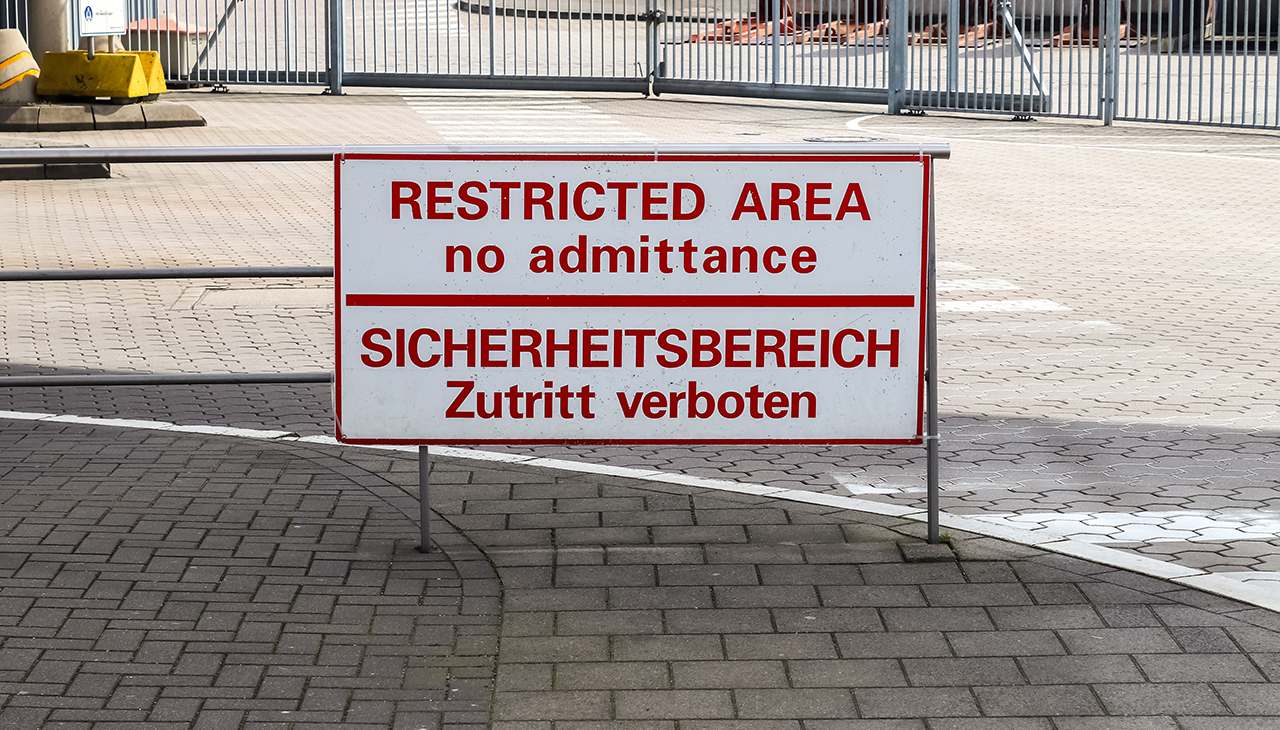
In its marketplace, eBay acts as the discerning gatekeeper, deciding who gains access and who is denied entry. You may succeed in joining the community if your criteria are in line with eBay’s. However, violations might result in a lifetime ban. This stringent but essential supervision maintains a trustworthy and safe environment for buyers and sellers.
By upholding standards, eBay makes sure that the market is thriving and reliable for everyone, enabling complying members to take use of its advantages and possibilities. Being a member of the eBay community requires adhering to the rules, just as in any private club.





Leave a Reply